
Project Background
Since this was an MVP project focused on launching quickly and validating the platform concept, the research phase was centered around business interviews and requirement analysis rather than direct user research, the client had already gathered input from their internal research and provided clear pain points and feature requests. As the sole UI/UX designer, I collaborated directly with business stakeholders to understand their goals, existing workflows, and technical requirements.
Given the MVP timeline and pre-existing internal research, I reframed my role from discovery to synthesis and translation. I led stakeholder interviews and discovery meetings focused on:
Design Process
Given the project’s fast-paced and collaborative nature, I adopted an Agile UX approach to design the MVP. This method allowed me to work iteratively, be flexible to stakeholder feedback, and continuously refine the platform as requirements and needs evolved.
My Agile UX process followed these key steps:
- Requirement Discovery: Worked closely with stakeholders to clarify MVP goals, define user roles, and prioritize core features for each sprint.
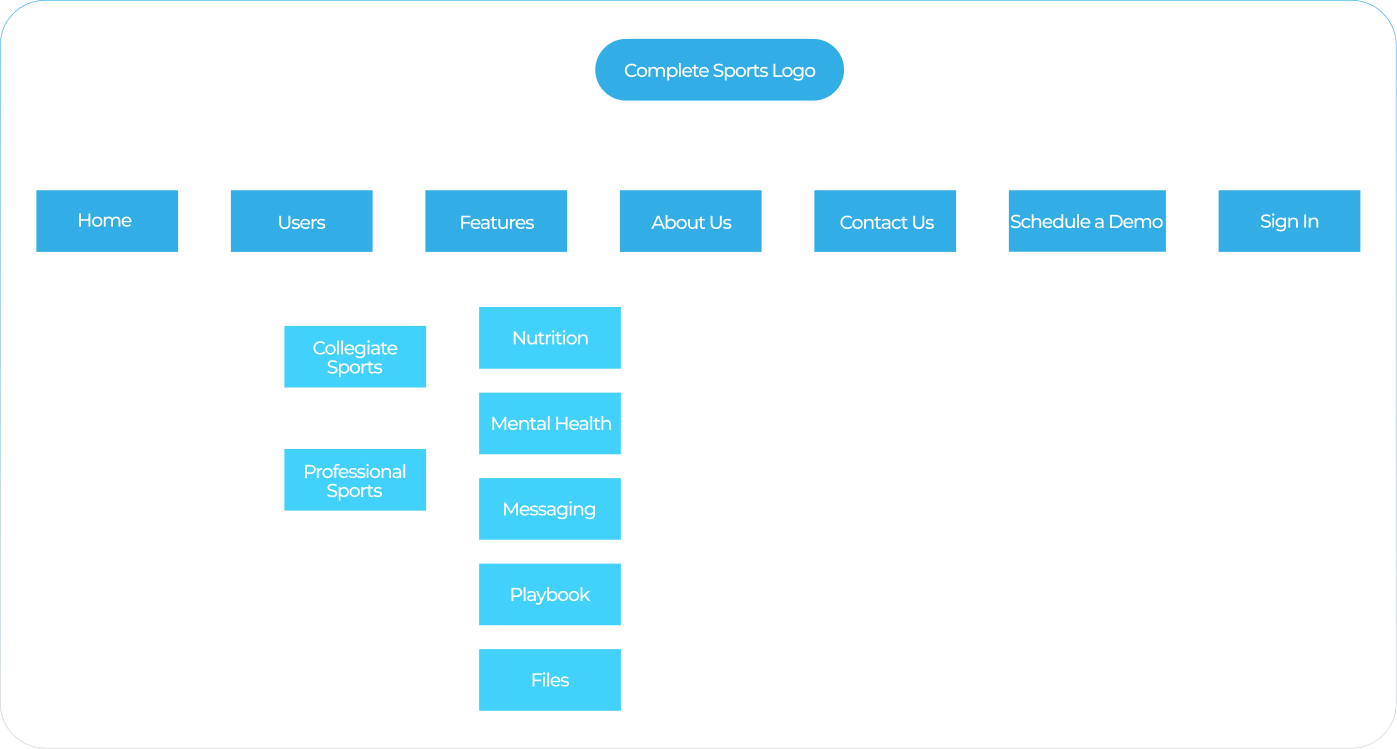
- Rapid Prototyping: Translated requirements into user flows and low-fidelity wireframes to visualize ideas early and gather quick feedback.
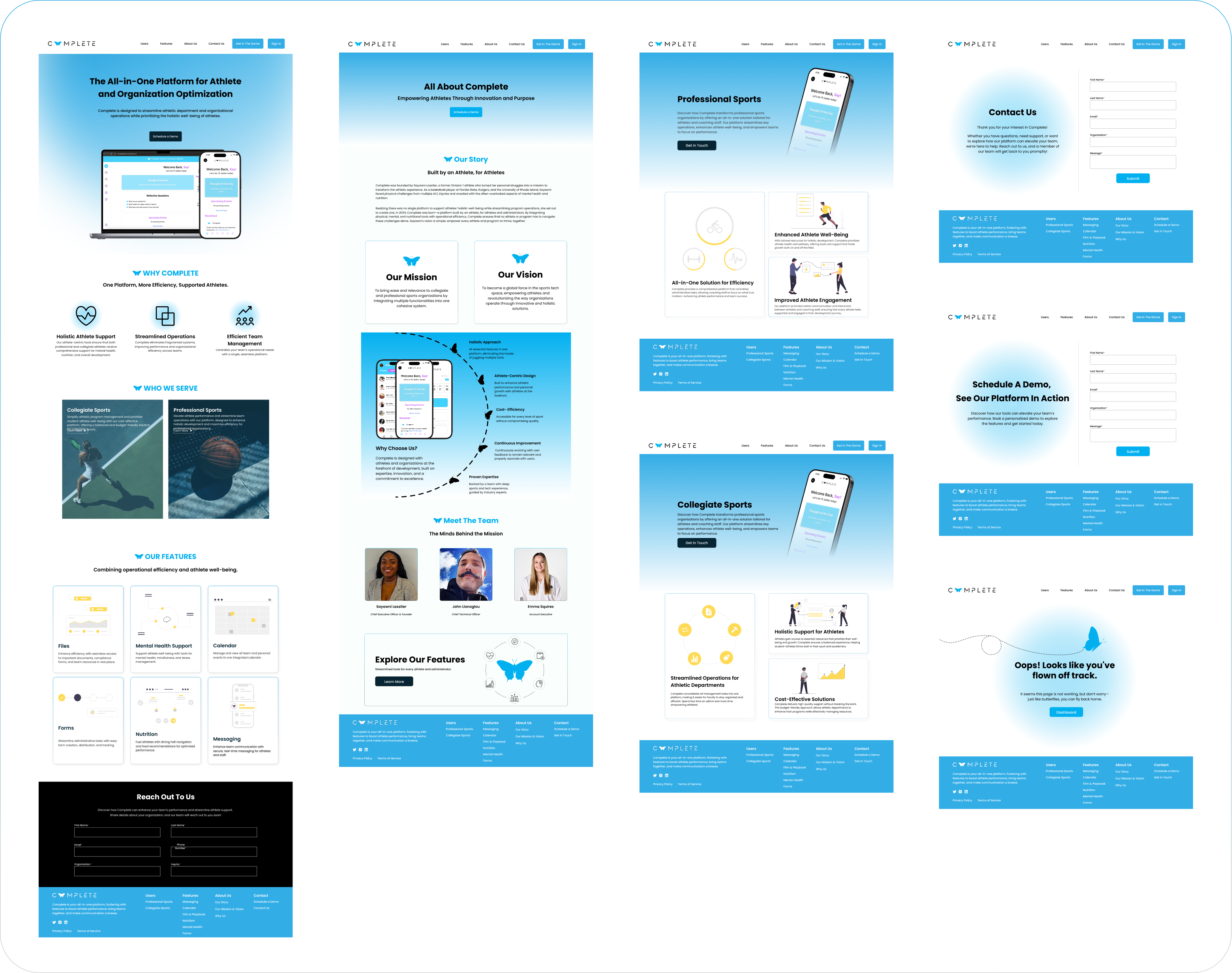
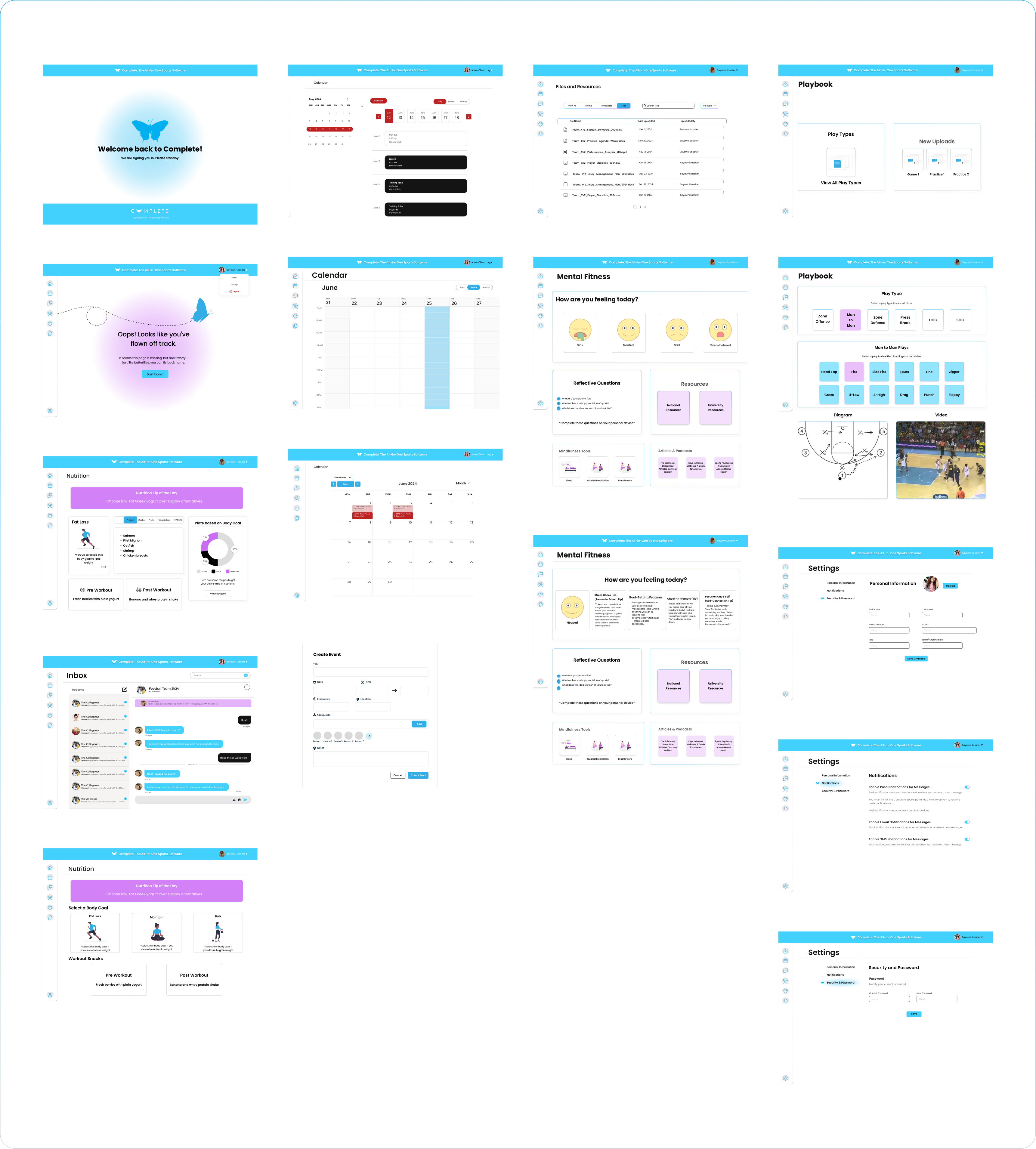
- Iterative Design Reviews: Presented progress to stakeholders regularly for input and refinement before moving to high-fidelity design.
- Developer Collaboration: Delivered design components with clear specifications, collaborating on implementation adjustments to maintain consistency and feasibility.